Dance Cardio: Combining Latin and Hip Hop for a Full Body Workout
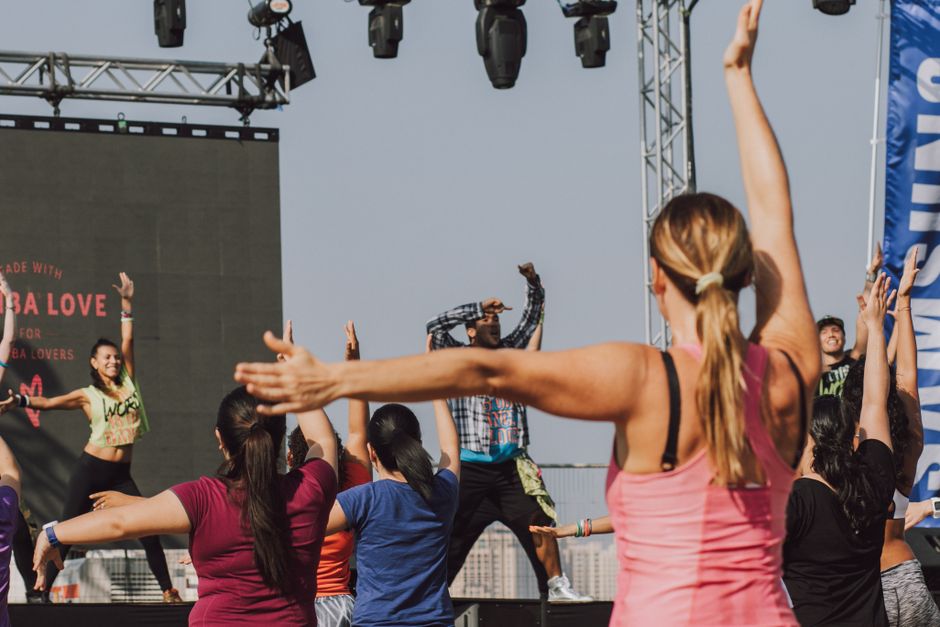
Dance cardio has become a widely recognized approach to physical activity that merges rhythmic movement with cardiovascular conditioning. Unlike traditional gym routines that rely on repetitive motions, dance cardio draws on choreographed sequences that engage both the body and the mind. When Latin and hip hop influences are combined, the result is a dynamic workout that offers variety, musicality, and a sense of creative expression. This article explores how the fusion of salsa and hip hop moves can form the basis of a full body workout, with a focus on process, structure, and the conceptual framework behind such a program.
Programs like those offered by Dance Core often emphasize the importance of learning movement patterns in a supportive, step-by-step manner. The idea is not to simply follow a routine, but to understand how each movement contributes to overall body engagement. By breaking down choreography into manageable parts, participants can gradually build coordination, confidence, and endurance. This method helps create an environment where fitness is experienced as an enjoyable and sustainable activity rather than a obligation.
This article provides an informational overview of how Latin and hip hop elements are integrated into dance cardio. It outlines the foundational principles of each dance style, explains how choreography is structured for fitness purposes, and discusses the contextual benefits that may arise from regular participation. The aim is to present a clear and neutral description of the methodology, without overstating outcomes or making specific claims about results.
Understanding Dance Cardio as a Fitness Approach
Dance cardio can be described as a form of aerobic exercise that uses dance movements as the primary mode of activity. Instead of performing isolated exercises like jogging on a treadmill or using stationary equipment, participants follow a sequence of steps set to music. The intensity of the workout depends on factors such as speed, range of motion, and the complexity of the choreography. Because the body is constantly moving in different directions and planes, multiple muscle groups are activated throughout the session.
One of the key characteristics of dance cardio is its emphasis on rhythmic coordination. The individual must synchronize their movements with the beat of the music, which requires focus and timing. This engagement of the cognitive and motor systems can contribute to a more immersive experience. When Latin and hip hop styles are incorporated, the variety of rhythms and body mechanics further challenges the participant. For example, salsa involves quick footwork and hip motion, while hip hop often features isolations and grounded movements. Combining these elements creates a workout that demands both agility and control.
It is important to note that dance cardio is not a single standardized method. Different instructors or organizations, such as Dance Core, may have their own approach to sequencing and teaching. Some classes prioritize freestyle elements, while others follow tightly choreographed routines. The common thread is the use of music and movement to elevate heart rate and promote endurance. Participants are encouraged to progress at their own pace, modifying steps as needed to match their current fitness level.
The Foundations of Latin Dance in Cardio Workouts
Latin dance styles like salsa, merengue, and bachata are built on distinctive rhythms and partner work, but when adapted for solo fitness, the focus shifts to the fundamental body mechanics. In a dance cardio context, Latin influences bring a strong emphasis on hip movement, weight transfer, and quick directional changes. The basic salsa step, for instance, involves a forward and back motion with a subtle hip sway that engages the core and lower body.
These movements can be repeated and layered to create longer sequences. A typical Latin-based section in a dance cardio class might start with a simple side step, then add a turn, and later incorporate arm movements. The progression is gradual, allowing participants to familiarize themselves with the pattern before increasing speed. Because Latin dance often features a consistent 4/4 time signature, it is relatively accessible for those new to rhythmic exercise. The hips and legs do most of the work, which can lead to a focused lower body and core engagement.
From a physiological perspective, the lateral and rotational movements inherent in Latin dance can contribute to improved mobility and stability. The constant shifting of weight from one foot to the other challenges balance and coordination. Additionally, the upbeat tempo commonly used in salsa music encourages a sustained elevated heart rate, which is a component of cardiovascular conditioning. These elements make Latin-inspired choreography a viable option for those seeking a full body stimulus without the impact of high intensity jumping.
Integrating Hip Hop Movement for Dynamic Exercise
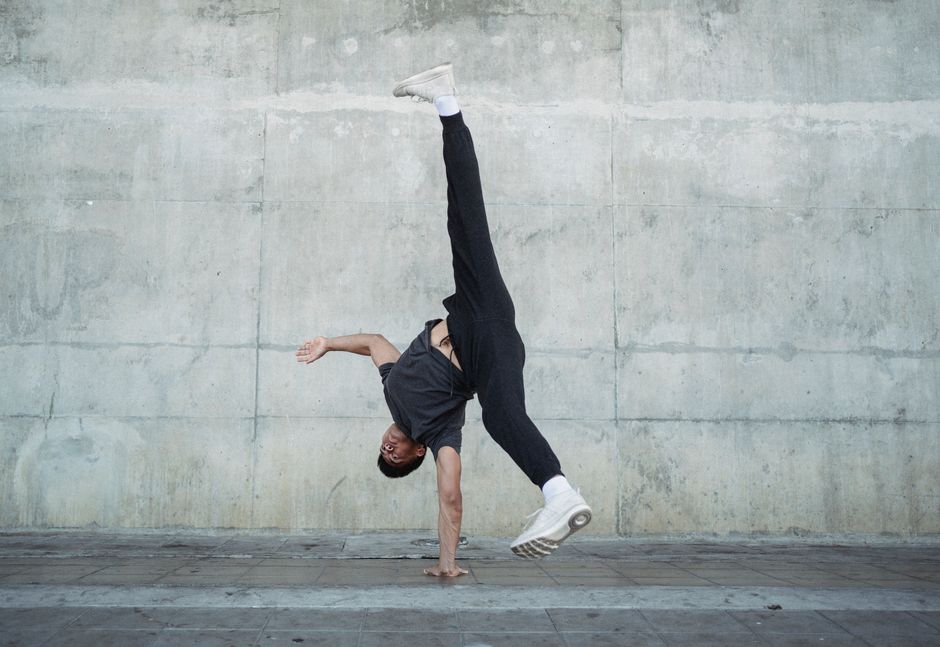
Hip hop dance brings a different set of qualities to a cardio workout. Originating from street dance culture, hip hop emphasizes groove, isolations, and a grounded posture. Movements often involve bending the knees, popping the chest, and using sharp or fluid arm motions. When incorporated into dance cardio, these elements add variety and can challenge the upper body and torso in ways that Latin steps do not.
For example, a hip hop sequence might include a shoulder roll followed by a chest isolation, then a step touch with a bounce. The isolations require control of individual muscle groups, which can enhance body awareness and muscular coordination. The rhythmic bounce, often referred to as the groove, keeps the body moving continuously, contributing to calorie expenditure over the duration of the session. Unlike the more structured footwork of salsa, hip hop allows for a looser interpretation, which can be adapted to different fitness levels.
When combined with Latin elements, hip hop provides a contrast in both tempo and texture. A class might transition from a fast paced salsa section to a slower, more grounded hip hop segment, allowing participants to catch their breath while still moving. This alternation can help maintain engagement and prevent monotony. The fusion also encourages creativity in choreography, as instructors can blend steps from both styles to create unique transitions. As with any fitness program, the effectiveness of these movements depends on proper form and consistent practice.
Choreography Structure and Learning Progression
In a dance cardio class that combines Latin and hip hop, the choreography is typically broken into phases. The first phase often involves a warm up that gradually introduces basic steps from both styles. This allows the body to adapt to the range of motion and rhythm changes. After the warm up, the instructor may teach a short combination, repeating it several times before adding new elements. This incremental approach helps participants retain the movement patterns.
As the class progresses, the combinations become longer and more complex. For instance, a sequence might start with four counts of salsa basic, then eight counts of hip hop groove, followed by a turn and a kick. The transitions between styles require mental focus and physical adjustment. Over time, participants may find that they can execute these sequences with greater fluidity. The structure of the class is designed to provide progressive overload in terms of both endurance and coordination, though individual results depend on effort and consistency.
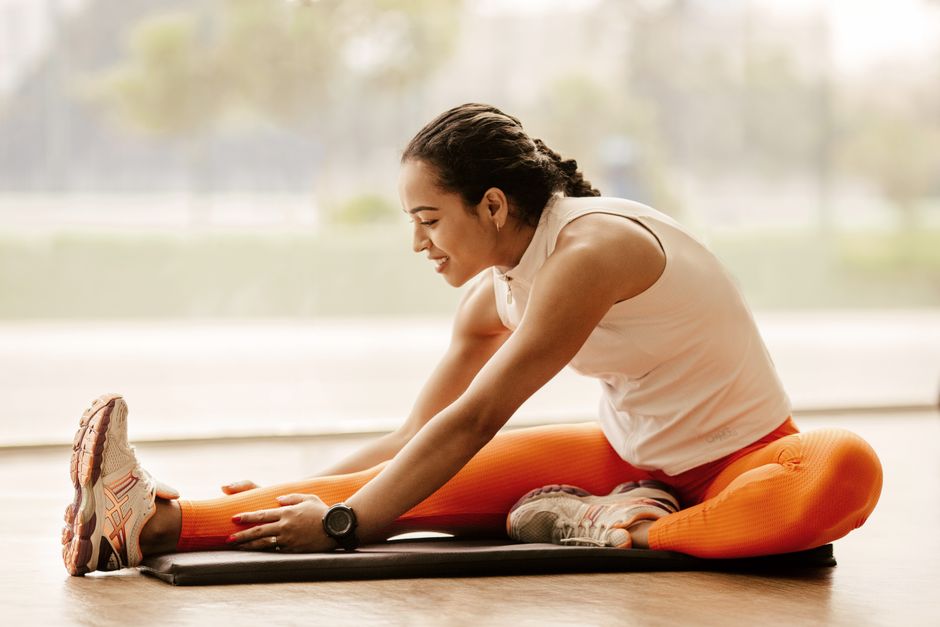
Many programs, including those developed by Dance Core, incorporate a cool down that includes stretching and slower movements. This phase is important for gradually lowering the heart rate and reinforcing the range of motion used during the workout. The overall choreography structure is not meant to be performed perfectly on the first attempt. Instead, it encourages learning through repetition and adaptation. This process oriented view helps participants focus on the experience rather than comparing themselves to others.
Physical and Coordination Benefits in Context
Engaging in dance cardio that fuses Latin and hip hop movements may offer several types of physical benefits, though these are highly dependent on the individual’s baseline fitness, frequency of practice, and intensity of execution. From a cardiovascular standpoint, the combination of sustained rhythmic activity and intermittent higher intensity bursts can contribute to improved aerobic capacity. However, the degree of improvement varies and should not be assumed.
Coordination and motor control are also areas that can be influenced by this type of workout. Learning to switch between the syncopated rhythms of salsa and the offbeat grooves of hip hop requires the brain and body to adapt quickly. Over time, participants may notice an increased ability to learn new movement patterns and a greater sense of body awareness. These effects are not guaranteed but are commonly reported in observational studies of dance based exercise.
Additionally, the dynamic nature of the choreography engages muscles throughout the body. The legs and glutes are activated during weight shifts and squats, the core stabilizes the torso during turns and isolations, and the arms and shoulders are involved in stylized gestures. Because the movements are multiplanar, the workout can promote functional fitness that supports daily activities. As with any exercise program, proper hydration, rest, and nutrition play significant roles in overall outcomes.
Considerations for Getting Started
For those interested in trying dance cardio that blends Latin and hip hop, it is helpful to approach it as a learning experience rather than a performance. Beginners may benefit from attending a class specifically designed for all levels, where the instructor provides modifications and explanations. Dance Core, for instance, offers classes that emphasize a supportive atmosphere and break down moves thoroughly.
Footwear and space are practical considerations. Shoes with a smooth sole that allow for pivoting are often recommended, as they reduce friction and protect the joints. The workout area should be clear of obstacles and large enough to move in multiple directions. It is also advisable to listen to one’s body and take breaks as needed. Fatigue can affect form, and maintaining proper alignment is important for minimizing the risk of strain.
Finally, consistency tends to play a more significant role in any fitness routine than the specific style of exercise. Attending classes regularly and practicing the choreography at home can help build familiarity and endurance. The fusion of Latin and hip hop in dance cardio offers a creative and engaging way to stay active, but it remains one of many possible approaches. Each person’s experience will be shaped by their own goals, preferences, and physical condition.